


SEBP
Sustainable Employee Benefits Platform for Responsible Companies and Consumers
Overview
The challenge
Sustainable farmers face higher costs, lower yields, and limited market access because distributors hold the pricing power. Meanwhile, consumers hesitate to pay more for organic products and often overlook the benefits of sustainable choices. Companies seek to support meaningful causes as part of their Corporate Social Responsibility (CSR) and, at the same time, provide benefits that truly matter. By subsidising local, eco-friendly produce, employers boost employee well-being, align corporate and personal values, and reduce turnover.
Users/Testers
More than 50 testers during the validation testing phase (approximately 20% producers and 80% 40 consumers), as well as a pilot with a company team of 10 employees.
The solution
Our platform connects responsible employers, their employees, and local sustainable producers in a single marketplace. Companies fund “green vouchers” that employees use to buy sustainable, locally grown products — giving farmers direct access to new customers while turning everyday purchases into measurable social and economic gains that feed directly into the company’s CSR profile.
Users/Testers
More than 50 testers during the validation testing phase (approximately 20% producers and 80% 40 consumers), as well as a pilot with a company team of 10 employees.
Members


Bulgaria


Bulgaria
Citizen Engagement
From day one, real citizens have been at the heart of our journey — shaping, testing, and improving every part of the platform. Here’s how their voices helped bring our vision to life.
Consumer surveys on shopping behaviour and sustainability perceptions
To better understand how people shop for food and what influences their sustainability choices, we conducted surveys with over 160 citizens representing diverse backgrounds in age, gender, and household roles. Their feedback directly shaped key aspects of the platform. For example, we introduced a simplified voucher process that makes it easy to share digital vouchers within families. We also created a sustainability scorecard on product pages to help consumers evaluate producers more easily, and intentionally excluded low-trust items like fresh produce, seafood, and meat from the initial catalogue.
Company representative interviews
We held more than 10 in-depth one-on-one interviews with HR and managerial staff from various companies to understand their CSR goals and employee engagement challenges. This input helped refine the Employer Dashboard and led to the development of specific engagement and impact metrics. We also streamlined the voucher distribution process by allowing companies to upload employee details via CSV, triggering automatic voucher generation and delivery.
Producer interviews
To ensure the platform accurately reflects producers’ realities and values, we conducted more than 10 interviews and collected detailed questionnaires from food producers. Their insights directly influenced the development of our sustainability scoring methodology and informed how we showcase producer profiles on the platform.
Validation events
Throughout the project, we hosted a series of validation events to present the platform and gather real-time feedback. At the Forbes ESG Summit, we conducted a live 1:1 interview on
stage in front of more than 250+ participants.
Our first online validation event drew over 30 attendees. The second event took place in rural northern Bulgaria with the National Union of Producers and focused on sustainability education — this session brought together more than 200 participants. Finally, at Agriventures Connect, we engaged over 100 stakeholders.
These sessions allowed us to refine our sustainability messaging and opened the door to pilot partnerships with several major companies.
Through this multi-layered engagement approach, we’ve ensured the platform is not only user-friendly and transparent but also grounded in the needs and expectations of those it serves.
DataU and FOODITY components
The integration of FOODITY technologies, particularly the DataU SDK, was central to the project’s commitment to data sovereignty and user empowerment.
Value of DataU:
User control and sovereignty: DataU provides a decentralised, end-to-end encrypted platform that gives users full control over their personal information. Users can create, access, modify, or securely delete their data at any time. Feedback from 105 users confirmed they appreciated how easy it was to see and control who could access their information.
Transparency and trust: The system provides clear insights and real-time alerts on how data is being used, which users found advantageous. This transparency, along with a standardised identity verification process, builds user trust and confidence in sharing their data.
GDPR compliance: DataU ensures compliance with data protection regulations like GDPR. Testing confirmed that 100% of user requests for data deletion were processed successfully within the compliant timeframe.
Value of FOODITY Components:
Barcode scanner: This feature allows users to scan product barcodes to retrieve nutritional information from the OpenFoodFacts database. It enhances user experience by simplifying data entry and empowering users to make informed dietary choices. Testing with 83 users showed a 98% accuracy in retrieving product details.
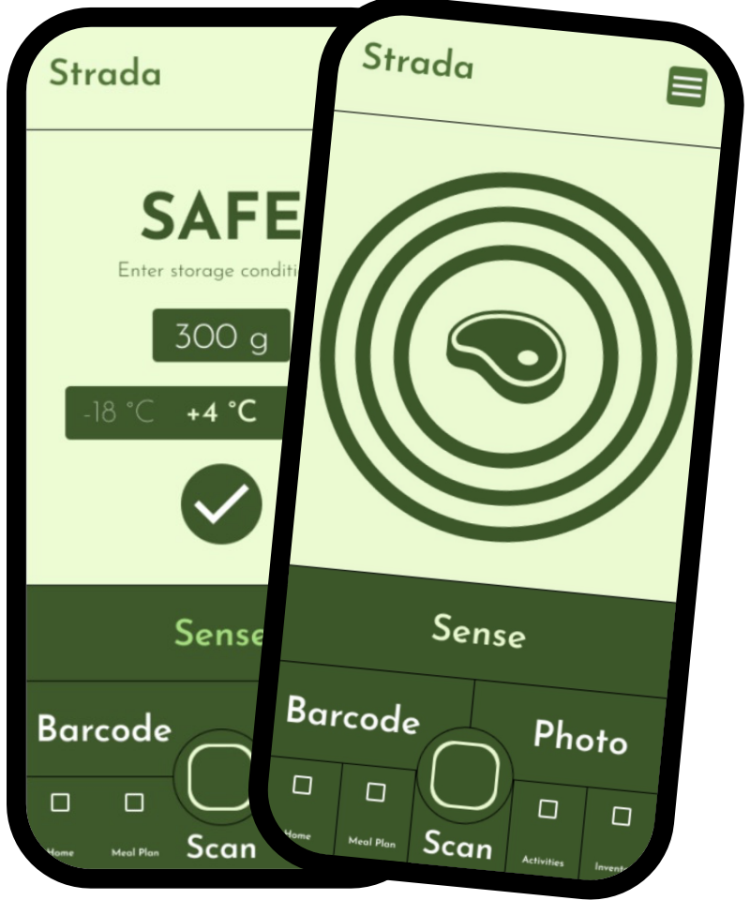
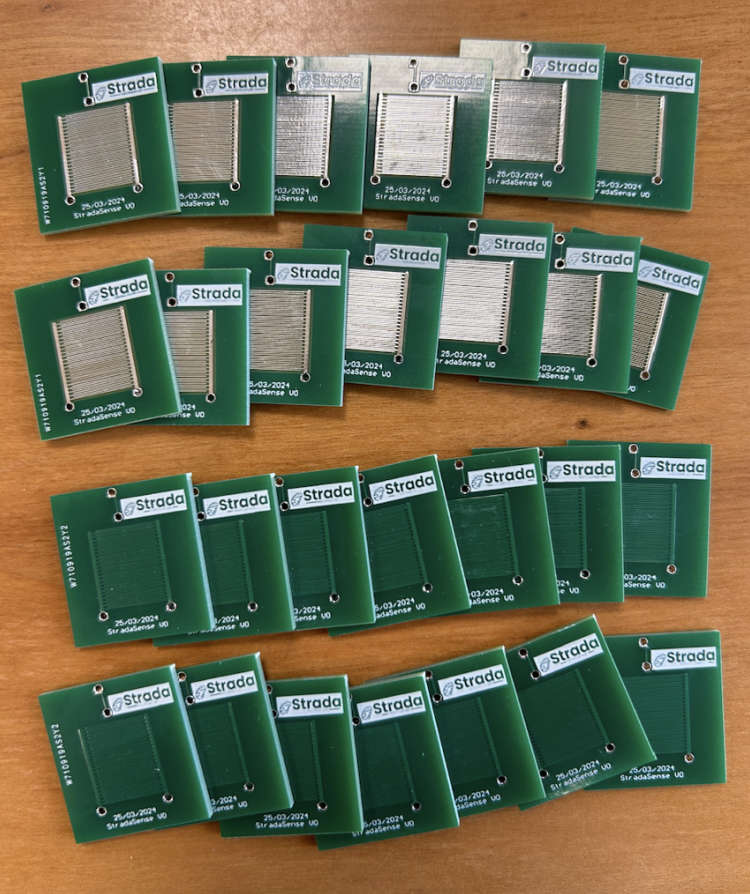
Meal planner: This application provides personalised meal suggestions based on user preferences and the real-time freshness data from StradaSense sensors. This helps users minimise food spoilage by prioritising ingredients nearing their expiry and encourages balanced nutrition.
Results and achievements
Tangible improvements
- More awareness: Thanks to 760+ engaged citizens, more people now understand what sustainable food really means — and how their data is used. It’s turning everyday shoppers into conscious consumers.
- Smarter choices: The Producer Sustainability Scorecard was shaped by real user feedback. Now, producers are stepping up to improve their practices and stand out — because they know what matters to buyers.
- Less hassle, more action: Our automated voucher system saves companies time and effort. When uploading employees' emails, vouchers go out instantly, making it easy to support sustainable choices.
- Better data, bigger impact: Company interviews revealed a clear need for better CSR tracking. We listened — and built an automated reporting tool that makes impact easy to measure and share. The result? A platform that’s not just smarter — it’s working. For people, for companies, and for the planet.
Impact Indicators
- User satisfaction scores: Usability testing with 50 users revealed a high task completion rate of 90%. The solution achieved a Net Promoter Score (NPS) of 45, indicating users are highly likely to recommend the app. The average satisfaction level across all modules was high, with StradaSense scoring 3.9 out of 5.
- Ease of use: Key metrics confirmed a highly usable interface. Users required an average of only two clicks to access spoilage data, and the average task duration was just 4.2 seconds. The error rate per task was a low 2%
The meal planner feature was designed to prioritise ingredients nearing spoilage, directly encouraging a behavioural change to reduce household food waste.
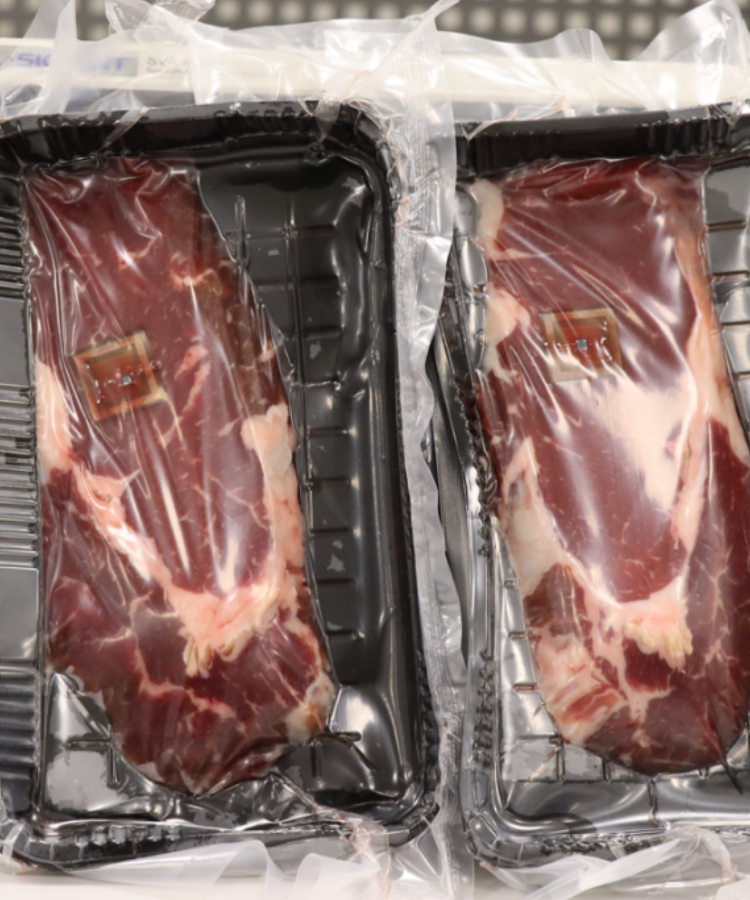
The demonstration in a local grocery store confirmed that access to real-time freshness data influenced purchasing decisions, empowering consumers to avoid potentially spoiled products.
Outputs produced
Smart research & methodology
We developed a clear, practical Sustainability Scoring Methodology to evaluate producers’ environmental, social, and economic practices.
To better understand our users, we ran surveys and gathered insights from:
- Consumers and their shopping habits
- Producers and their sustainability efforts
- Companies and their CSR goals
These insights directly shaped our platform’s design and features.
Powerful platform features
We’ve added rich producer profiles that showcase sustainability practices and certifications.
Our voucher system is fully integrated — employers can upload a list, and employees get their digital vouchers automatically.
We’re also building dashboards:
- A Company Impact Dashboard to track sustainability impact
- An Employee Dashboard to show personal contributions
And to keep everything secure and compliant, we have developed a GDPR-friendly consent flow with DataU.
Smart services behind the scenes
Our platform automatically calculates sustainability metrics using purchase and producer data. We’re adding visual tools — charts, tables, and diagrams — to make impact easy to understand. Producers can submit their practices using a simple assessment form, and the platform takes care of calculating their sustainability scores.
Everything is built to be easy, impactful, and ready to grow with our users.
Feedback from users
Feedback forms are planned during the testing phase.
Employees / Users
“The idea is great and the execution is impressive. Seeing the producers and my personal impact really adds value.”
“The site looks great and the ordering process was clear. I would definitely use it again if provided by my employer.”
“It feels meaningful to shop knowing I’m supporting real local producers, not just buying from another online store.”
Producers
“The platform is easy to navigate and the producer profile presents our work and sustainability practices clearly.”
“I like that the process is transparent and that sustainability is explained in a practical, non-bureaucratic way.”
“This gives us access to a new audience without heavy commissions or extra marketing effort.”
Social/environmental/economic impact
Our solution brings the vision of Food 2030 to life — by making sustainable food systems accessible, inclusive, and actionable.
Socially, we’re building a fairer food system for everyone. The platform supports shared value — empowering employees through co-funded food vouchers, making healthy, sustainable food more affordable for entire households, and connecting consumers directly with the people behind their food. It fosters transparency, equity, and participation—ensuring that sustainability isn’t just for the few, but for all.
Environmentally, we make it easy to shop with impact. Tools like the Sustainability Scorecard and Impact Dashboards help users see how their choices support clean water, healthy soil, animal welfare, and ethical labour. Green credits go straight to local producers driving real change.
Economically, we champion the underrepresented. Small-scale food producers gain visibility and new markets, while companies benefit from simplified voucher tools and automated CSR reporting dashboards — tracking real contributions to sustainability and employee well-being.
With every feature, partnership, and purchase, we’re making good food a shared mission — driven by values, and powered by people.
Materials and links

Alignment with FOODITY
We’re not just building a platform — we’re co-creating a movement alongside citizens, companies, and producers.
From day one, real people have been part of the process. Through surveys, interviews, and validation events, citizens helped shape the features they actually need — like green vouchers, clear producer sustainability scorecards, and personal impact dashboards.
With employer-funded vouchers, users make affordable, responsible food choices that support ethical, local producers. And every purchase tells a story—measurable social and environmental impact that’s visible to individuals, companies, and farmers alike.
It’s a transparent, participatory approach that turns FOODITY’s vision into action: empowering people, rewarding sustainability, and building a food system that works for everyone.
Lessons and recommendations
Lessons learned
Start with people, not just tech
Bringing companies, producers, and citizens into the process from day one made all the difference. Their input shaped metrics and features that are actually useful — not just nice on paper.
Keep It simple, show the value
Producers are willing to share data — when it’s easy, transparent, and leads to real benefits like visibility and new customers.
Speak their language
Companies get excited when the platform fits their world. Clear dashboards, easy processes, and impact metrics that plug straight into CSR reports? That’s when interest turns into action.
Recommendations
Engaging users early in the development process helps align your solution with real needs and reduces the risk of costly changes later. Building on trusted, modular infrastructure allows you to focus on what makes your solution unique, while offloading common challenges like consent management or data handling to systems already built to handle them. This approach supports scalability, saves time, and ensures your product can grow and adapt more easily.
Main benefit of participating in the FOODITY Programme
The main benefit of participating in the FOODITY Programme has been the funding, which allowed us to fully focus on developing the project. In addition, access to experienced mentors, 1-on-1 sessions, and valuable connections within the ecosystem have significantly accelerated our progress and opened new collaboration opportunities.